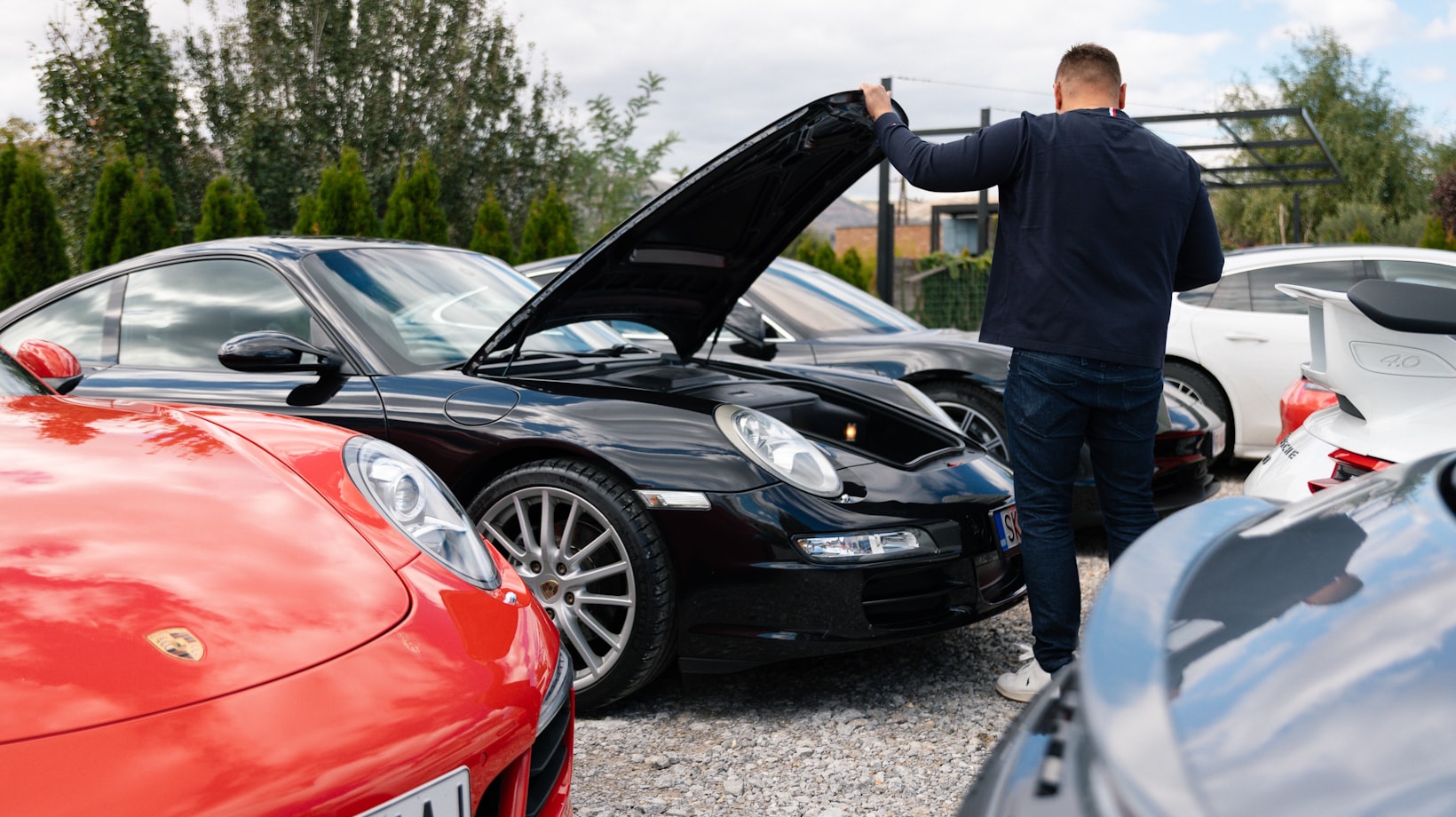
A used German car is one of the best values on the road, or one of the most expensive mistakes you can make, and the difference usually comes down to a couple of hours on a lift before the money changes hands. A pre-purchase inspection costs a small fraction of what a single deferred repair costs, and it is the one step we most often wish a new customer had taken.
What We Actually Look At
A proper pre-purchase inspection on a BMW, Mercedes-Benz, Audi, Volkswagen, or Porsche is not a walk-around and a test drive. The car goes on a lift so we can see the underside, and it goes on a factory-level scan tool so we can see what the computers have recorded. In practice that means checking for oil and coolant leaks at the usual failure points, measuring brake pad and rotor thickness, inspecting suspension bushings and control arms, checking tire age and wear pattern, evaluating the cooling system and hoses, testing the battery and charging system, and pulling stored and pending fault codes from every module, not just the engine.
The Things Sellers Rarely Mention
Some of the most valuable findings never come up in a listing. Paint depth readings and panel gaps reveal accident repair that a clean history report missed. Adaptation values and service records stored in the modules show whether maintenance was actually performed on schedule. Readiness monitors that have been recently reset can mean someone cleared a check engine light shortly before the sale. On turbocharged direct-injection engines we also look for the early signs of the carbon buildup that eventually needs attention, and on higher-mileage cars we check for the seeping valve cover, oil filter housing, and water pump that tend to arrive together.
What the Report Is Worth to You
You end up with three useful things. First, a clear yes or no on whether this specific car is sound. Second, a prioritized list of what it will need in the next year and roughly what that costs, so you can budget honestly instead of guessing. Third, real negotiating leverage: a documented list of needed repairs from an independent shop is far more persuasive than an opinion, and it frequently pays for the inspection several times over on the purchase price alone.
A Note on Certified Pre-Owned and Dealer Inspections
A certified pre-owned checklist is better than nothing, but it is performed by the party selling you the car. An independent inspection has no stake in whether you buy. We tell you what we find either way, including when the answer is that the car is genuinely clean and you should go ahead.
How to Set It Up
Ask the seller if you can bring the car to your shop for an inspection. A private seller or dealer who refuses is telling you something important. Most inspections take about two hours, and we can usually fit one in within a day or two. If you are shopping for a used German car anywhere around Goleta, Santa Barbara, or Carpinteria, call us at (805) 967-1551 before you sign anything.