Our Services
Cooling System & A/C
Radiator repair, coolant flushes, thermostat replacement, and air-conditioning service to beat the Central Coast heat.
German cooling systems use plastic and aluminum components that become brittle with age, a failed water pump, thermostat housing or expansion tank can lead to overheating and serious engine damage if ignored. We proactively inspect and service these known wear points.
We also handle full A/C diagnosis and recharge so your cabin stays cool through every Santa Barbara summer.
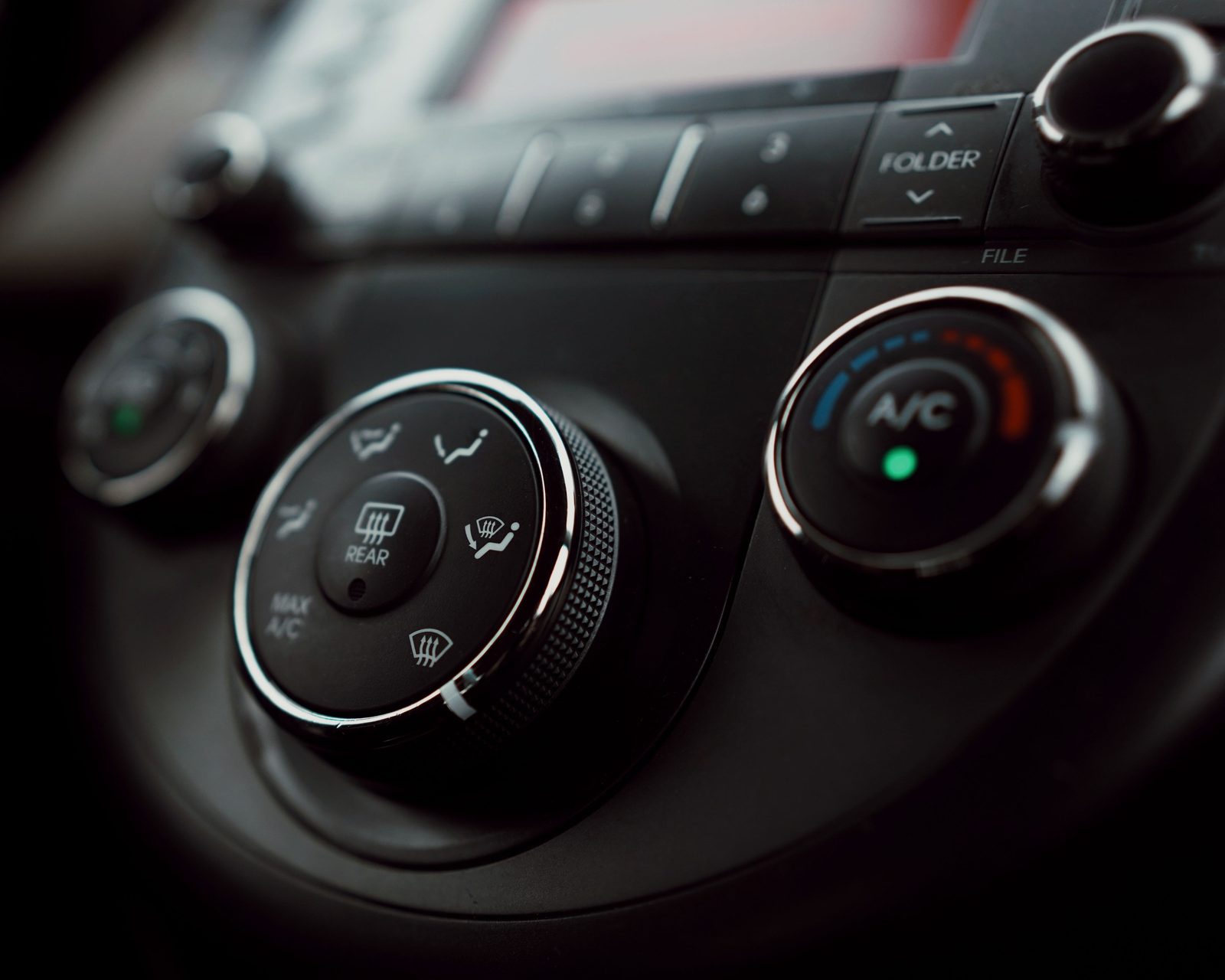
What's Included
- Coolant flush and fill to OEM spec
- Water pump and thermostat replacement
- Radiator, hose and expansion-tank service
- Overheating diagnosis
- A/C inspection, recharge and repair
Prevent Overheating · OEM Parts Only
The Hidden Threat: Why German Cooling Systems Demand Attention
German engines are engineered to operate at extremely high temperatures and tight tolerances to maximize performance and efficiency. This precision makes them exceptionally vulnerable to cooling system failure, a seemingly minor coolant leak or faulty water pump can instantly destroy an engine worth $15,000-$25,000 to replace.
BMW, Mercedes-Benz, Audi, Porsche, and Volkswagen engines use aluminum cylinder heads and blocks that warp catastrophically when overheated. Unlike older cast-iron engines that tolerated brief overheating, modern German engines suffer permanent damage from just a few minutes of high-temperature operation, warped heads, blown head gaskets, damaged pistons, and scored cylinder walls.
Common Failure Points in German Cooling Systems
- Plastic coolant pipes & flanges: BMW, Audi, and VW use plastic distribution pipes that become brittle and crack suddenly, causing complete coolant loss
- Electronic water pumps: modern BMW and Mercedes pumps fail without warning, no belt squeal, just sudden overheating
- Multi-stage thermostats: complex electronic thermostats that, when they fail, cause erratic temperature regulation
- Plastic expansion tanks: pressurized tanks that crack with age, causing slow coolant loss and air ingestion
- Radiators with plastic end tanks: end tanks separate from the core, causing catastrophic leaks
Why Generic Parts Are Catastrophic
- Generic coolant lacks proper corrosion inhibitors and seal conditioners, causing internal corrosion, water pump seal failure, and head gasket deterioration
- Cheap water pumps use lower-quality bearings/impellers that fail in 20,000-30,000 miles vs. 60,000+ for OEM
- Aftermarket plastic parts use inferior plastics that crack faster under heat stress
Our position: cooling system maintenance is the most cost-effective insurance against catastrophic engine failure. A preventative service costs a small fraction of the $15,000-25,000 engine it protects, there is no better investment in your vehicle's longevity.
What We Do
Specialized Cooling System Services
Complete cooling system service using OEM-quality components and factory procedures.
Water Pump & Thermostat Replacement
Electronic water pumps (BMW/Mercedes) are electrically driven and controlled by the engine management system, providing variable flow but requiring specialized replacement.
- New pumps must be electronically registered with factory tools
- No belt-squeal warning, preventative replacement at 60k-80k miles
- OEM quality essential: aftermarket pumps fail in 20k-30k vs. 80k+ for genuine
Multi-stage electronic thermostats open partially or fully based on load and temperature. Failure causes erratic temperature, slow warmup, or overheating, we test with factory scan tools before replacement.
Coolant Leak Diagnostics & Repair
Coolant leaks range from obvious puddles to elusive slow leaks causing recurring low-coolant warnings. Our process finds every source:
- Pressure testing: pressurize to 15-20 PSI and watch for drop, pinpointing leaks even when cold
- UV dye detection: fluorescent dye + UV light locates microscopic leaks invisible to the eye
- Component replacement: cracked hoses, failed radiators, leaking expansion tanks, brittle plastic pipes, OEM-quality parts
Coolant Flush & Exchange
German vehicles require specific coolant formulations, the wrong coolant causes corrosion, seal degradation, and premature water-pump failure.
- BMW/MINI: BMW Coolant (blue), phosphate-free, silicate-based
- Mercedes-Benz: MB 325.0 spec (blue/green)
- Audi/VW/Porsche: G12/G12+ (pink/purple), G13 (violet)
- Never use green universal coolant or Dex-Cool, causes corrosion and seal damage
Proper procedure: complete drain, distilled-water flush, 50/50 OEM mix (never tap water), vacuum fill to eliminate air pockets, and electronic bleed of electric pumps/thermostats with a scan tool.
Head Gasket & Overheating Damage Repair
Severe overheating causes secondary damage requiring specialized repair, we diagnose and repair head gasket failures, warped heads, and internal coolant leaks.
- Cylinder head removal and resurfacing
- Multi-layer steel (MLS) OEM gasket installation
- Head bolt/stud replacement per factory specs
- Combustion (block) leak testing, compression and leak-down testing
Warning Signs
Signs Your German Vehicle Needs Cooling System Service
Don't ignore these critical warning signs, immediate action prevents catastrophic engine damage.
Recurring Low-Coolant Light
The most common warning sign. If you're adding coolant regularly, you have a leak, external or internal. Coolant doesn't "evaporate." Requires immediate diagnosis.
Engine Running Hot
Temperature gauge above center, persistent radiator-fan noise at idle, or a temperature warning light. Stop driving immediately, shut off the engine, and call for a tow.
White Smoke from Exhaust
Thick white smoke (not cold-morning steam) indicates coolant burning in the combustion chamber, catastrophic head gasket failure. Do not drive.
Oily Sludge in Coolant
Milky or frothy coolant (like chocolate milk) indicates oil contamination, internal failure (head gasket, oil cooler breach). Needs immediate attention.
Our Process
Our Meticulous Process for Cooling System Integrity
Precise procedures that guarantee reliable, long-lasting cooling system performance.
Pressure Testing
Pressurize the system to 15-20 PSI and monitor for drop, identifying the leak source before disassembly.
OE Part Quality
Exclusive use of Original Equipment components (pumps, hoses, tanks) that resist heat stress and last 60k+ miles.
Vacuum Fill
Specialized vacuum equipment refills the system, eliminating air pockets that cause overheating and pump cavitation.
System Bleed & Test
Run to operating temperature, activate electronic components with a scan tool, and verify proper operation.
Keep Exploring
Related Services
Common Questions
Questions We Get Asked
My temperature gauge is climbing. What should I do?
Pull over somewhere safe and switch the engine off. Continuing to drive an overheating German engine can turn a cooling-system repair into a head gasket or a replacement engine, and the damage can happen in a very short distance. Call us on (805) 967-1551 once you are stopped.
Does the type of coolant really matter?
Yes. Generic coolant lacks the corrosion inhibitors and seal conditioners these engines need, and using it leads to internal corrosion, water pump seal failure and head gasket deterioration. We flush and fill to the OEM specification for your car.
Do you handle air conditioning as well?
Yes. A/C inspection, recharge and repair are part of this service, along with coolant flush and fill, water pump and thermostat replacement, radiator, hose and expansion-tank work, and overheating diagnosis.
What does cooling system work cost?
Our one published price is the $289 Oil Change + Full Detail special for German vehicles, or $299 for British vehicles. Everything else is quoted after we see the car, because cost depends on the model, engine, age and what the inspection finds. You get a free written estimate before any work begins, and our rates are highly competitive with other independent specialists and typically well below dealership pricing.
Ready When You Are
Schedule Your Service Today
Same-day appointments available for most services. Honest estimates, warranty-backed repairs.
Book This Service
Request an Appointment
Send your request straight from this page — we'll confirm within one business day.
Prefer to talk it through first? Call (805) 967-1551 and ask for a service advisor. We answer during shop hours, Monday through Friday.