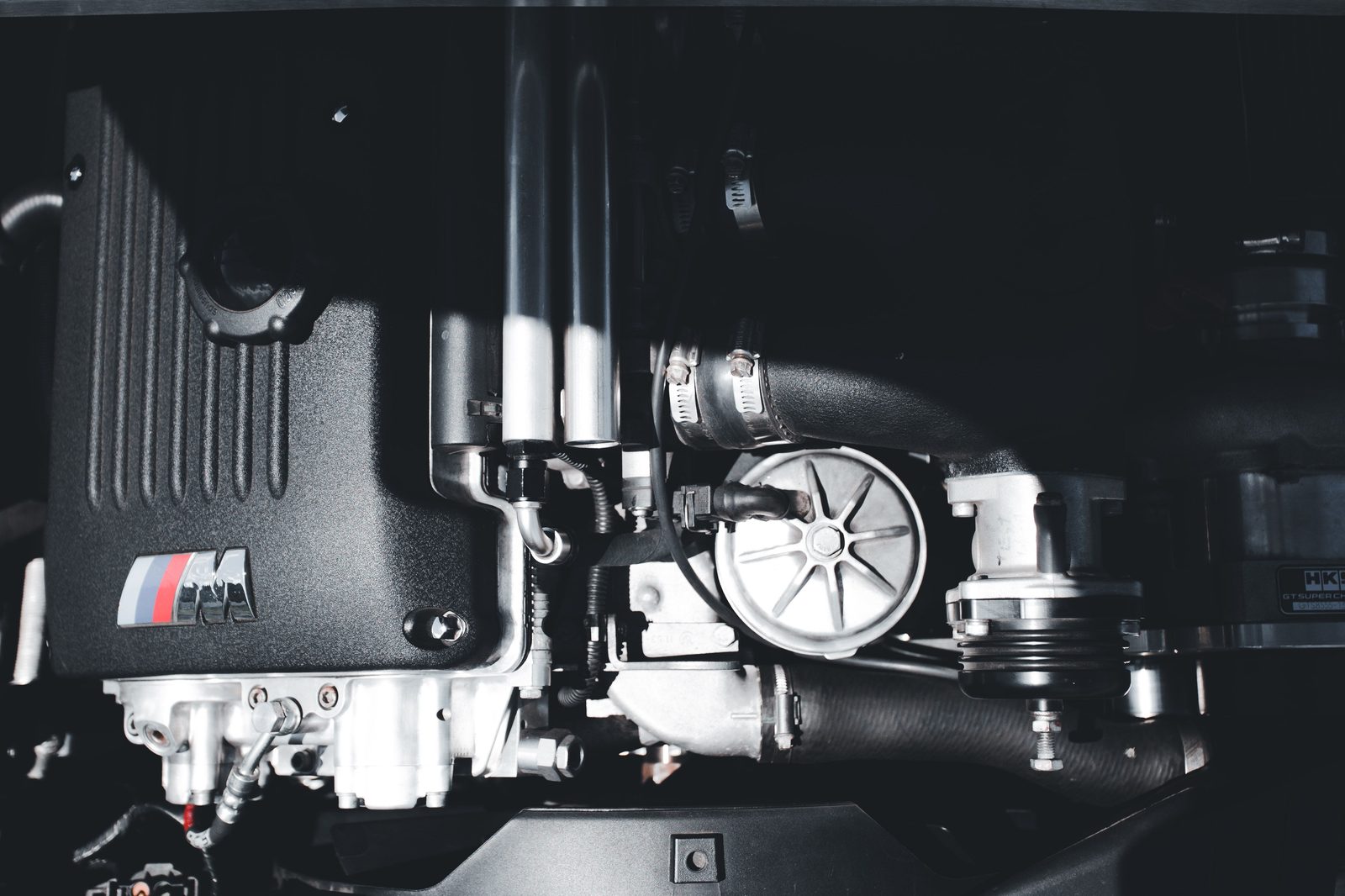
If you drive a turbocharged BMW, Audi, Volkswagen, Mercedes-Benz, or Porsche built in roughly the last 15 years, your engine almost certainly uses direct fuel injection. It's a brilliant technology for power and efficiency, but it comes with a well-known side effect: carbon buildup on the intake valves.
This is one of the most common performance complaints we diagnose, and many owners have never heard of it until their car starts running rough. Here's what's actually happening and what you can do about it.
Why Direct Injection Causes Carbon Buildup
In older port-injection engines, fuel sprayed across the back of the intake valves and continuously washed them clean. Direct-injection engines spray fuel straight into the cylinder instead, so the valves never get rinsed. Over tens of thousands of miles, oil vapor and combustion deposits bake onto the valves and restrict airflow.
Symptoms to Watch For
Carbon buildup tends to come on gradually: a rough or shaky idle, hesitation or stumbling under acceleration, misfires, reduced power, a drop in fuel economy, and sometimes a cold-start stumble or a check-engine light for misfires. Because these symptoms mimic other problems, accurate diagnosis matters before any parts are replaced.
How Carbon Buildup Is Diagnosed
Once carbon has baked onto the intake valves, it generally has to be physically cleaned off; fuel additives alone rarely touch the heavy deposits a direct-injection engine develops. The most important first step is an accurate diagnosis, because these symptoms overlap with several other issues. If you are noticing them, bring your car in: we will diagnose whether carbon buildup is the cause and advise you on the best path forward. For many German engines, a diagnostic check every 40,000 miles or so is enough to catch buildup before it causes drivability problems.
How to Slow It Down
You can't fully prevent carbon buildup on a direct-injection engine, but you can slow it: stay on time with quality, correct-spec oil changes (worn oil increases vapor deposits), use top-tier fuel, and let the engine reach full operating temperature regularly rather than only short trips. If you're a Santa Barbara driver who mostly does short hops around town, periodic highway driving genuinely helps.