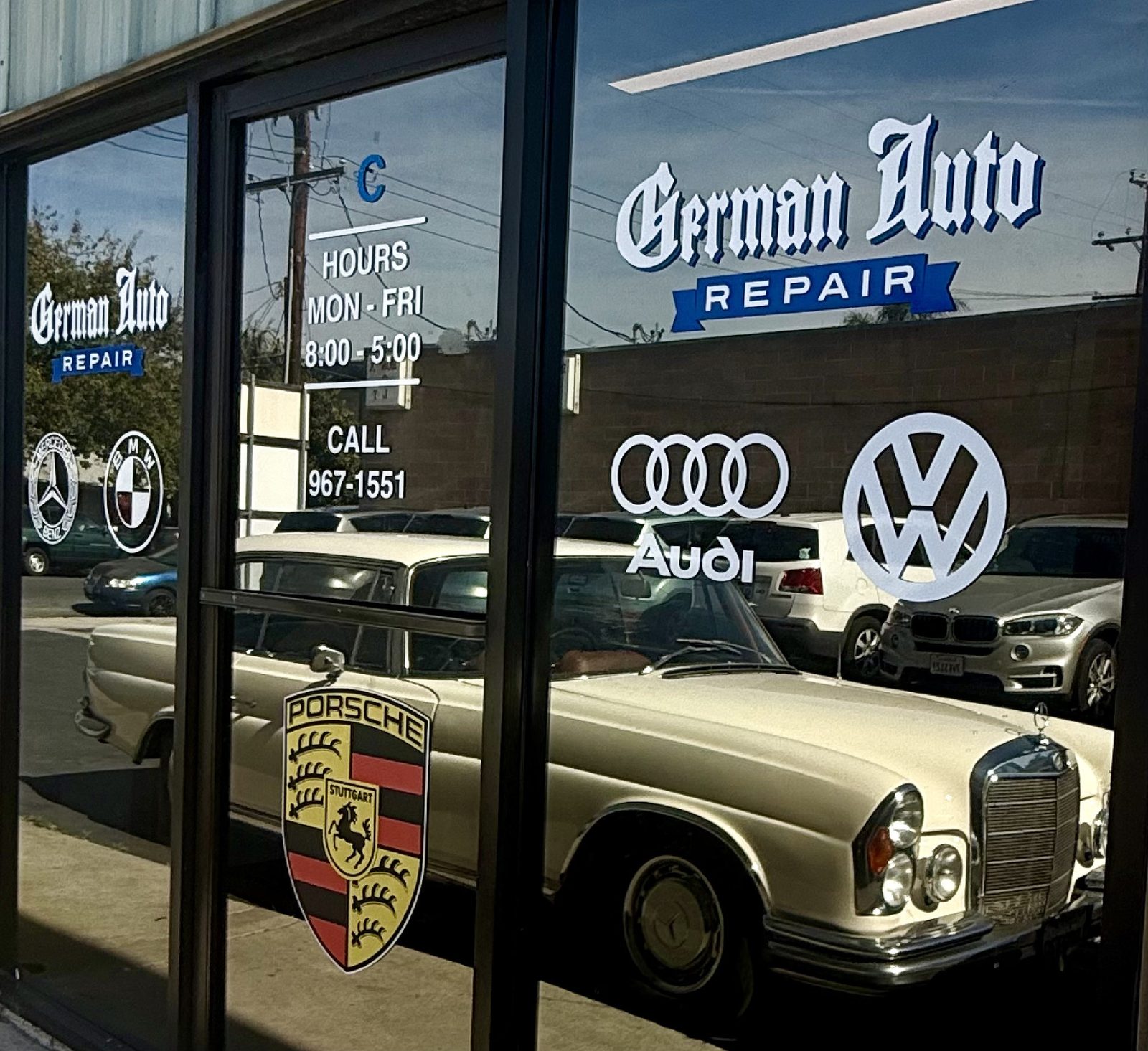
At first glance, all vehicles may seem to need the same basic services. In reality, German auto repair is a category of its own.
BMW, Mercedes-Benz, Audi, Porsche, Volkswagen, and MINI vehicles are built with different engineering priorities, tighter tolerances, and more integrated systems than many other cars on the road.
Advanced Technology
German vehicles often use advanced electronics and communication networks that go far beyond what a generic scan tool can interpret. A warning light may require factory-level data, guided test plans, software adaptation, or module coding to resolve correctly.
Maintenance Standards
German manufacturers usually specify exact oils, fluids, filters, and service procedures for a reason. Using the wrong fluid viscosity or installing a low-quality filter can affect performance and reliability.
Parts Quality
With many general vehicles, owners may get by with a wide range of aftermarket parts. German cars tend to be much more sensitive. An inexpensive sensor may fit physically but still create warning lights or drivability issues.
Pattern Recognition
Shops that focus on German cars know the common failure points by brand, engine, and mileage. That familiarity leads to faster diagnosis and more confident recommendations.