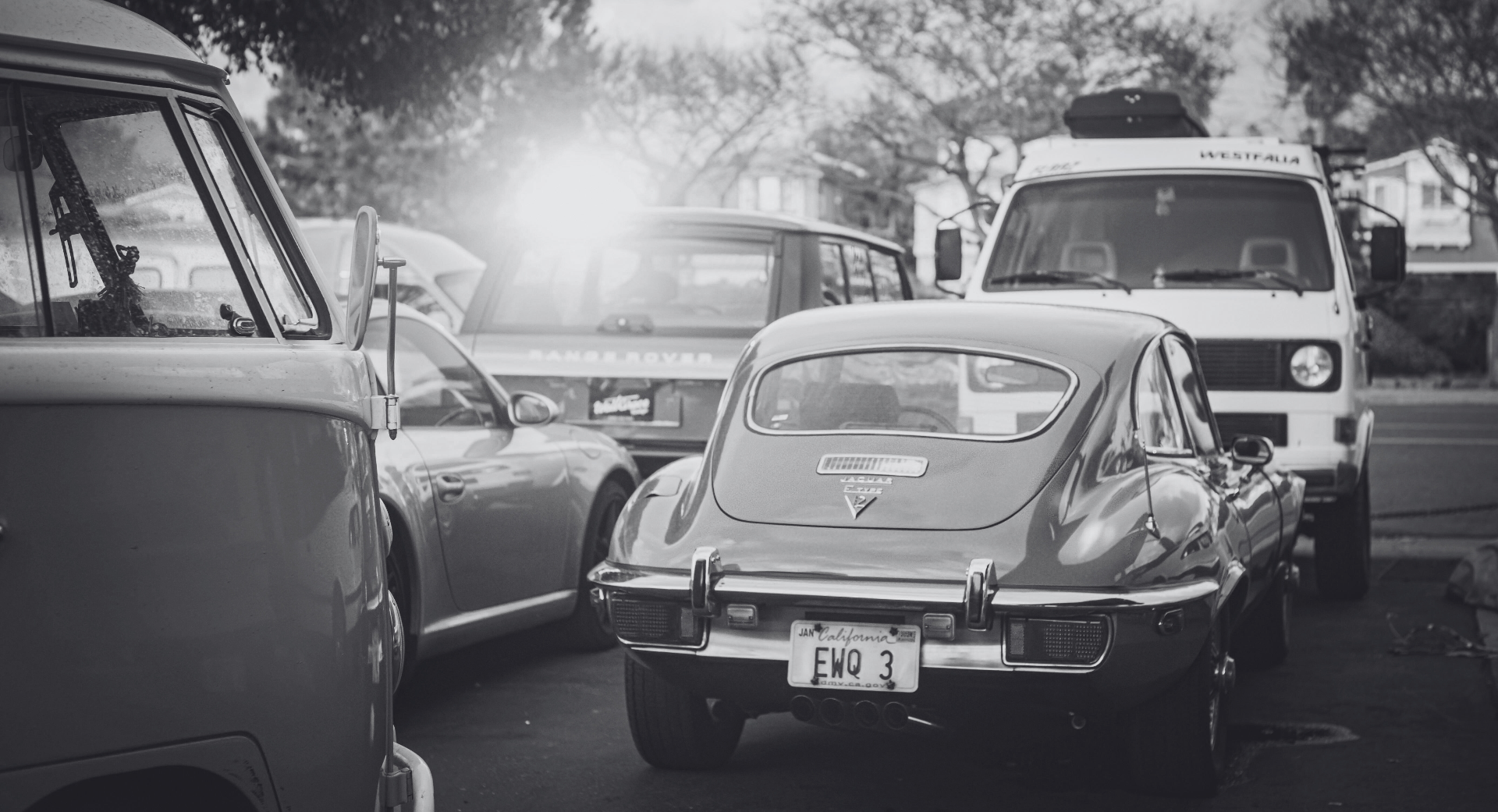
When you own a Jaguar, you aren't just driving a car; you're piloting a piece of high-performance art. To maintain that signature "Purr" and the razor-sharp handling the brand is known for, a generic oil change isn't enough.
We follow a rigorous, brand-specific protocol. If you're wondering what actually happens when you drop your keys off for "Scheduled Maintenance," here is the professional breakdown.
1. The Foundation: Fluids and Filters
The lifeblood of a Jaguar is its fluids. Because Jaguar engines (especially the Supercharged V6 and V8 models) run at high temperatures, the quality of these fluids is non-negotiable.
- Synthetic Oil Change: We use specifically approved high-viscosity synthetic oils designed to protect Jaguar's intricate valve timings.
- Coolant System Inspection: Jaguar cooling systems are high-pressure. We check for leaks in the expansion tank and water pump, common weak points in older models.
- Brake Fluid Flush: Jaguar recommends this every 2 years to ensure the high-performance braking system remains responsive and moisture-free.
2. The Health Check: Advanced Diagnostics
Modern Jaguars are rolling computers. A critical part of maintenance is the system health suite:
- Scanning for Stored Codes: We use specialized Jaguar diagnostic software to find "silent" errors that haven't triggered a dashboard light yet.
- Battery Management System (BMS): Jaguars are notoriously sensitive to voltage drops. We test the battery and alternator to prevent the dreaded "Gearbox Fault" messages that often stem from simple electrical low-voltage.
3. Performance and Safety Inspections
We move beyond the engine bay to ensure the "Leaper" handles the curves of the 101 as intended:
- Brake System Audit: We inspect pads, rotors, and the Electronic Parking Brake (EPB), a specialized system that requires expert calibration.
- Suspension and Bushings: We check the control arm bushings and dampers. Worn rubber bushings can quickly lead to "clunking" or imprecise steering.
- Tire Integrity: We check for uneven wear patterns that can indicate a need for a precision alignment, common on the F-TYPE and XJ.
4. The Jaguar "Interval" Schedule
While every model is different, the general rule of thumb follows this cadence:
- Every 5,000 miles: Oil and filter, tire rotation, multi-point inspection.
- Every 15,000 miles: Cabin air filter replacement and brake system check.
- Every 30,000 miles: Engine air filter, spark plug inspection, and drive belt check.
- Every 60,000 miles: Transmission fluid service and cooling system flush.
Why Choose an Independent Jaguar Specialist?
Many owners assume the dealership is the only place for "genuine" service. Choosing an independent specialist offers personalized history (you talk directly to the experts working on your car), the same specialized diagnostic tooling as the dealer with a more transparent labor rate, and proactive care that looks for the specific Jaguar-only quirks we've learned through years of hands-on experience in Santa Barbara.